
Have you ever dreamed of stepping into a wilderness so untamed that it feels entirely untouched by time?
Welcome to Manu National Park. Recognized as a UNESCO World Heritage Site and a Biosphere Reserve, Manu spans an extraordinary 1,716,295 hectares across the departments of Cusco and Madre de Dios. It is widely celebrated as one of the most biodiverse places on Earth, creating a seamless bridge between the high Andean peaks and the vast lowland Amazon rainforest.
Whether you want to catch the sun rising over a sea of clouds or spot jaguars on pristine riverbanks, here is your definitive travel guide to exploring Manu National Park with CachiLife Peru.
Mind-Blowing Biodiversity in Numbers
Manu is an ecological paradise boasting remarkable wildlife concentration:
| Species Group | Recorded Count in Manu |
| Birds | 1,030+ species |
| Butterflies | 1,307+ species |
| Mammals | 228 species |
| Amphibians & Reptiles | 290 species (158 amphibians, 132 reptiles) |
| Fish | 210 species |
| Flora | 1,650 tree species & 750 orchid species |
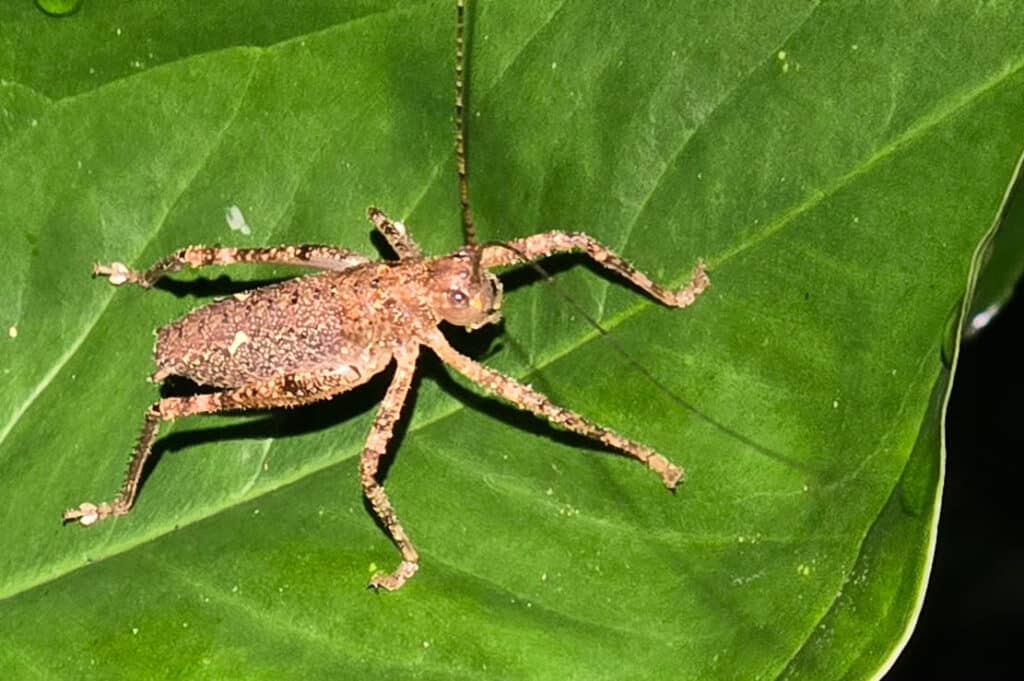
From the iconic Cock-of-the-Rock (Peru’s national bird) and the elusive Spectacled Bear in the cloud forests to Giant River Otters, Black Caimans, and Jaguars along the Manu River, every turn offers an extraordinary wildlife encounter.
Exploring Manu’s Key Sectors
Manu National Park is divided into distinct zones, each offering unique landscapes and adventures:
1. The High Andean & Cloud Forest Sector
- Highlights: Home to the famous Tres Cruces viewpoint, where you can witness one of the most breathtaking sunrises in the world as light emerges over a blanket of Amazonian clouds. Enjoy hiking interpretive trails like Trocha Zorro and Trocha Erickson amid orchids, ferns, and waterfalls.
- Best Time to Visit: May to September.
2. The Manu River Sector (The Heart of the Jungle)
- Highlights: Deep inside the park lies the pristine Manu River. Navigate past oxbow lakes (cochas) such as Cocha Salvador and Cocha Otorongo. Salvador is renowned for housing families of Giant River Otters, while Otorongo features an 18-meter observation tower overlooking the forest canopy. Visit mineral-rich clay licks (collpas) where colorful macaws and parrots gather daily.
3. The Pusharo Sector
- Highlights: Located in the Palotoa River basin, this area holds the enigmatic Pusharo Petroglyphs, ancient rock carvings nestled deep within the jungle. Visitors can also experience local indigenous culture by interacting with neighboring communities like Palotoa-Teparo.
Practical Travel Information
Best Time to Visit
- Dry Season (Recommended): April to November. Expect pleasant temperatures ranging between 5°C and 30°C depending on elevation.
- Rainy Season: December to March.
Access & Transport Routes
- Highland Sector: A scenic 4-hour drive (143 km) from Cusco through Paucartambo to the Acjanaco check point.
- Jungle & River Sectors: An 8-hour drive from Cusco to Atalaya Port, followed by motorboat navigation down the Alto Madre de Dios and Manu Rivers to access deep jungle lodges.
Park Entry Permits & Regulations
To protect this delicate ecosystem, SERNANP (Peru’s National Parks Authority) requires all travelers to enter using authorized tour operators led by licensed guides. Entry tickets are controlled at official Watch and Control Posts (PVC).
SERNANP Conservation Guidelines for Visitors
To keep Manu wild and preserved for generations to come, follow these guidelines during your tour:
- Register at Checkpoints: Always check in at control posts.
- Leave No Trace: Use cloth bags, avoid single-use plastics, and carry all trash back out.
- Respect Wildlife: Do not feed, disturb, or attempt to touch wild animals, and never step off marked trails.
- Pack Smart: Bring eco-friendly insect repellent, sunblock, breathable long-sleeve clothing, rain gear, and a reliable flashlight.
Experience Manu with CachiLife Peru
Exploring Manu is more than a holiday—it’s a life-changing journey into nature’s greatest sanctuary. Partnering with certified local guides ensures your safety, supports local indigenous communities, and preserves the delicate ecosystems of the park.
Ready to embark on an unforgettable Amazonian journey? Contact CachiLife Peru today to plan your custom expedition to Manu National Park!