
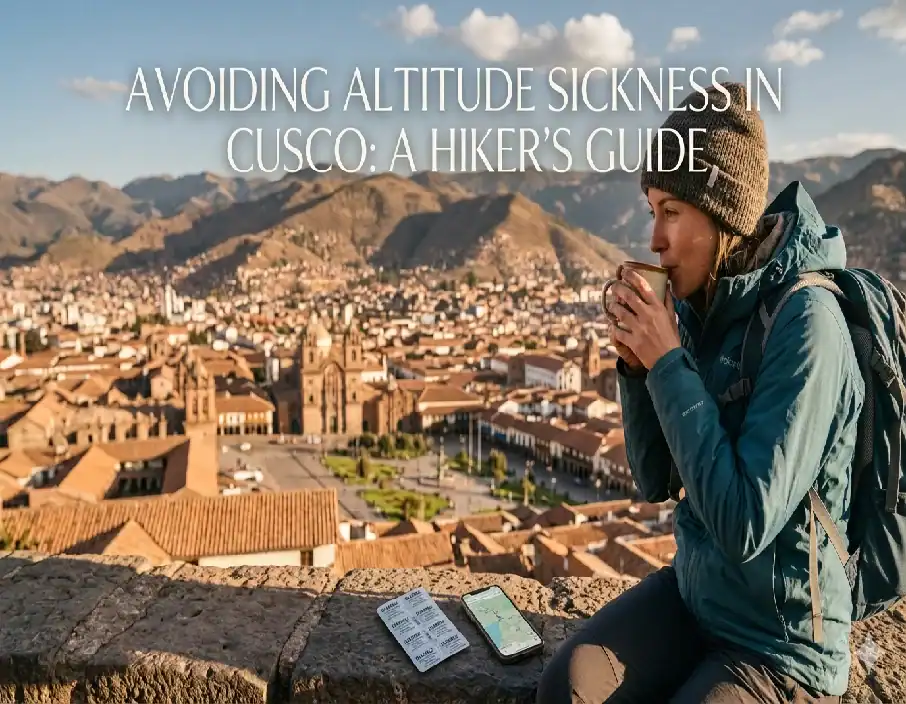
If you are planning a classic machu picchu hike, understanding how elevation affects your body is just as important as packing the right gear. Arriving in the Peruvian Andes often exposes travelers to altitude sickness symptoms, a condition locally known as soroche. When hikers experience this, it typically presents clear visual features such as physical slowing, heavy breathing during mild exertion, and noticeable fatigue during a simple walk. While these body reactions are normal, understanding the right altitude sickness medication and acclimatization strategies can make all the difference. This comprehensive guide outlines general, non-personalized tips consistent with safe mountain travel to ensure your trek is memorable for the right reasons.
Recognizing Altitude Sickness Symptoms
Altitude sickness occurs because the atmospheric pressure drops at high elevations, making it harder for your body to absorb oxygen. It is important to know that soroche can present itself in a few different ways. Most hikers typically encounter one of these three distinct possibilities:
- Mild Acute Mountain Sickness (AMS): This is the most common form. It resembles a severe hangover and features symptoms like headaches, dizziness, loss of appetite, and mild nausea.
- Sleep Disruption and Fatigue: Many travelers find it difficult to sleep during their first few nights in Cusco, accompanied by a constant feeling of exhaustion.
- Severe Altitudinal Conditions: Although exceptionally rare for standard tourists, extreme cases can escalate to conditions like high altitude pulmonary edema (HAPE) or cerebral edema. Visual signs include severe confusion, blue-tinted lips, and an inability to walk in a straight line. If these occur, the only immediate solution is to descend to a lower altitude right away.
Cusco Elevation vs Machu Picchu: Understanding the Differences
A very common mistake among international travelers is assuming that Machu Picchu is higher than Cusco. In reality, it is completely the opposite. Understanding these variations in altitude will help you plan your acclimatization days better:
- Cusco City: Located at 11,152 feet (3,399 meters) above sea level. This is where most flights land and where you will feel the initial drop in oxygen levels.
- The Sacred Valley: Towns like Pisac (9,776 ft / 2,980 m) or Ollantaytambo (9,350 ft / 2,850 m) are much lower than Cusco. Spending your first two nights here is an excellent strategy to minimize altitude sickness symptoms.
- Machu Picchu Citadel: Located at 7,972 feet (2,430 meters). It is over 3,000 feet lower than Cusco, making breathing much easier once you arrive.
- The Inca Trail Passes: If you are tackling the classic trek, remember that mountain passes like Dead Woman’s Pass reach up to 13,828 feet (4,215 meters). This is why natural adaptation is completely mandatory before starting your journey.
General Prevention and Altitude Sickness Medication
To ensure a safe journey, hikers have access to multiple avenues of relief. Preparing your body generally involves a combination of at least three distinct treatment options:
- Proper Acclimatization (Natural Choice): The most effective approach is spending 2 to 3 days resting in Cusco or the Sacred Valley before doing any heavy trekking. Drinking plenty of water and taking local remedies like hot coca tea appears to ease mild symptoms significantly.
- Acetazolamide for Altitude Sickness (Medical Choice): Many international hikers consult their doctors about taking acetazolamide for altitude sickness. This active compound helps accelerate the body’s natural acclimatization process.
- Brand Name Options (Diamox): In Western countries, this medication is widely recognized under the commercial name diamox for altitude sickness. It is frequently utilized by mountain climbers worldwide to prevent severe headaches and breathing issues at high elevations.
Important Note for Travelers: While over-the-counter remedies like Sorojchi Pills are widely available in Peruvian pharmacies without a prescription, you must always double-check the physical label to verify active ingredients, expiration dates, and warnings. Never take any medication without understanding its components.
Medical Disclaimer: The information provided in this article is intended for general informational and educational purposes only. It is not a substitute for professional medical advice, diagnosis, or treatment. Always consult with a qualified healthcare provider or your doctor before starting any new medication, including Diamox or Acetazolamide, or making changes to your physical training routine.